
8 Meaningful Journaling Tips to Start Your Day With God
Without Overthinking It
I’ll be honest: for years I wanted to be a morning journaler, but I had no idea how to actually get started. Every time I opened a blank page, I instantly felt like I needed to write something profound or polished. Or I convinced myself I needed the “perfect” routine before I began. And of course, that meant I never really did begin.
Eventually I realized I wasn’t stuck because I lacked discipline. I was stuck because I made it way more complicated than it needed to be.
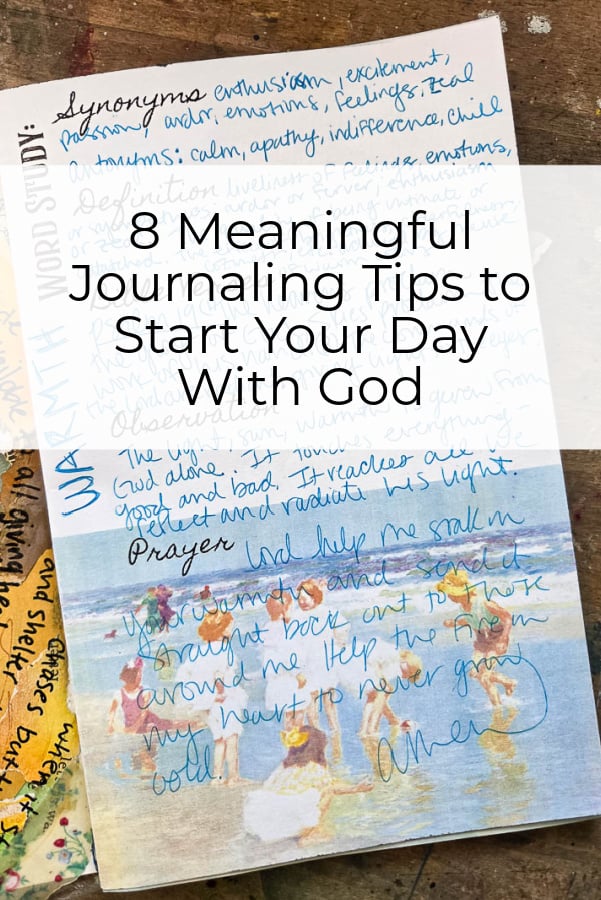
If you’ve ever felt the same way, let me tell you the thing that finally set me free: you just need a way to show up, consistently, imperfectly, and honestly, and journaling becomes incredibly life-giving. What matters most is finding something that fits you and keeps you motivated.
So here are the eight journaling tips I wish someone had told me when I first started. They’re simple, doable, and built for real life, not the aspirational life in our heads. And more than that, they help you see the why behind journaling, not just the “how.”
1. Pick a Space That Helps You Actually Show Up
Everyone says to choose a “cozy spot,” and that’s great, but here’s the truth: your spot doesn’t have to look like Pinterest. It just needs to be a place your brain recognizes as a cue.
Some mornings, my “sacred spot” is the corner of my kitchen counter while I wait for coffee to brew. Other days, it’s my bed with the lamp on. Still others it’s a messy art table covered in yesterday’s paint.
The power isn’t in the aesthetics, it’s in the repetition. When your brain knows, “Oh, we sit here to meet with God,” it becomes easier to slip into focus.
2. Choose a Journal That Matches Your Personality (Not Someone Else’s)
This was a game-changer:
If you love pretty things, choose pretty things.
If you’re prone to perfectionism, choose something simple and inexpensive so you don’t freeze up.
If you’re a doodler, choose thicker pages.
If you’re a list-maker, choose lined ones.
Your journal should match how your brain works. One size fits nobody.
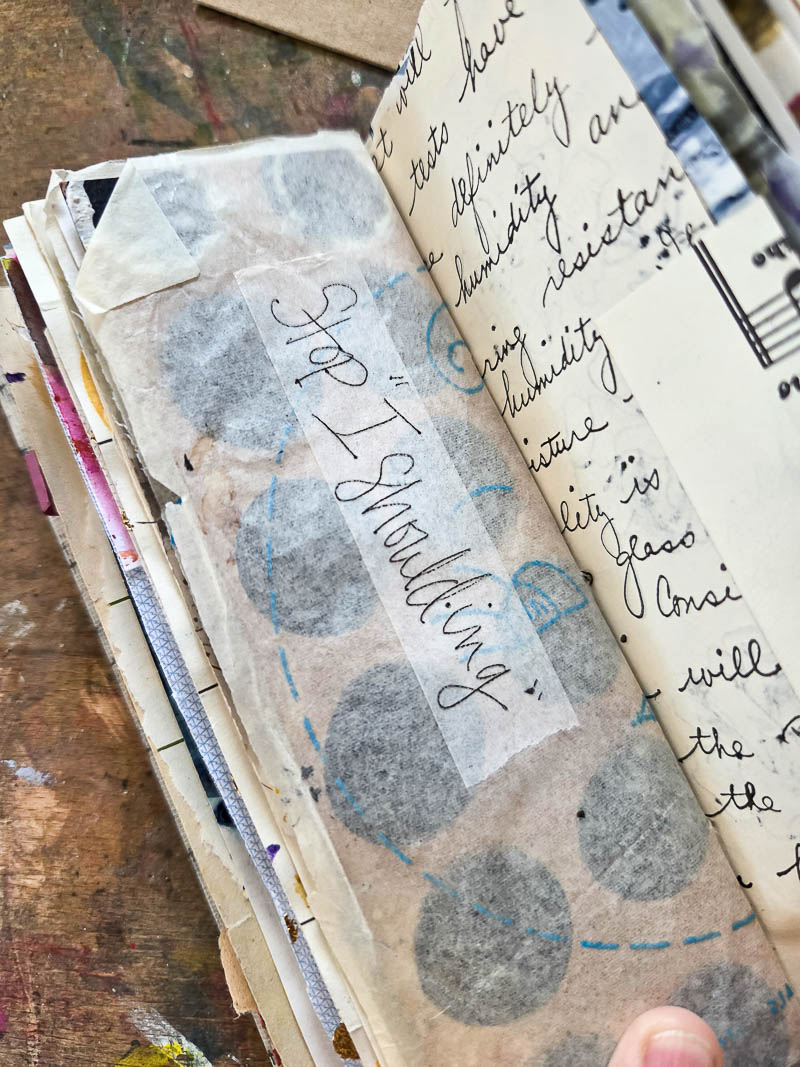
3. Start Ridiculously Small (Smaller Than You Think)
If five minutes feels too big, start with one minute.
Write one sentence.
Or write one word, whatever rises to the surface.
When I let myself start tiny, something surprising happened: I kept going. Small beginnings carry you further than big expectations ever will. I also used a timer. Sounds odd, but it let me put my head down and get lost without feeling like I needed to watch the clock!

4. Use Prompts That Pull You Into Conversation, Not Performance
Sometimes journaling feels intimidating because we treat it like a report instead of a relationship. I started using prompts that sounded more like conversations.
Here are a few that work beautifully:
“God, what am I carrying this morning?”
“What do I need from You today?”
“Where did I see You yesterday?”
“What am I resisting right now and why?”
These questions draw you closer to God and yourself, no eloquent writing required. Try more listening!
5. Don’t Just Reflect on Scripture. Interact With It
Instead of writing a verse and moving on, try one of these:
• Rewrite the verse in your own words.
• Imagine the moment: who was there, what they felt.
• Write a question to God about it.
• Write a sentence about how you hope to live it today.
Add your name to the verse, really put yourself in it. When you interact with Scripture, it stops being a box to check and becomes a personal encounter.
6. Add Creativity Only If It Helps You Connect (Not Impress)
This one took me years to understand. Creativity is a doorway to intimacy with God, but only if it serves you, not pressures you.
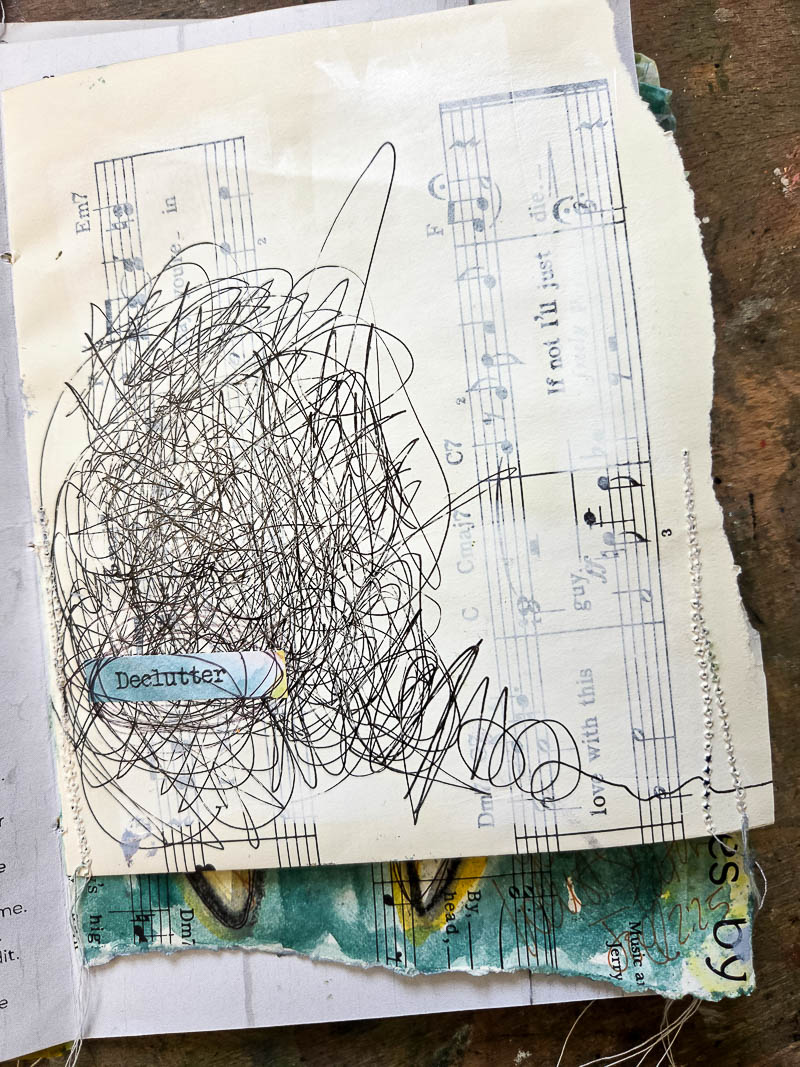
Use color, collage, doodles, stamps, or scraps if they help you notice, slow down, or express something words can’t. But if creativity stresses you out, keep it simple. Creativity is a tool, not a requirement.

7. Be Honest Instead of “Holy”
I used to filter my journal entries like God couldn’t handle the real me. But your journal is where you get to be utterly unfiltered: confused, grateful, mad, hopeful, numb, inspired, whatever is true.
Honesty invites transformation. God meets you where you actually are, not where you pretend to be. This is why creative journaling works for me. Words on paper seem too vulnerable, I’m scared someone uninvited will read them, so I put a polished version out in words. With art, I put it all out and it’s between God and I to know and understand. You have to do what feels right to you so you can be gut wrenchingly honest in this sacred space.
8. Attach Your Habit to Something You Already Do
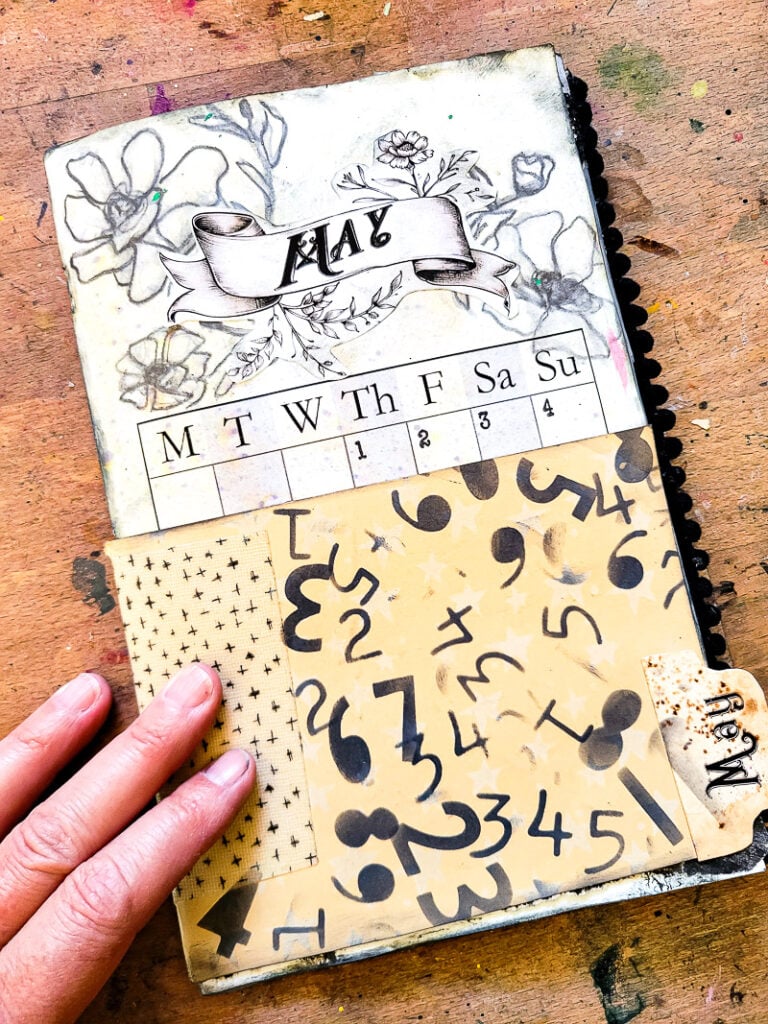
This is the secret to consistency: don’t rely on willpower—attach journaling to an existing routine.
• While coffee brews
• After brushing your teeth
• Before checking your phone
• When you sit at your desk
• After your morning walk
A habit attached to an anchor becomes sustainable.

The Vision: Why This Matters
Here’s what journaling has done in my life, and what I want you to experience too:
• Clarity, because writing or creating slows your mind
• Peace, because you start the day rooted instead of rushed
• Connection, because you’re actually talking to God, not skimming past Him
• Growth, because you can look back and see His faithfulness
• Creativity, because you’ve carved out space to express your soul
Journaling isn’t about perfection. It’s about presence.
It isn’t about getting it right. It’s about showing up.
It isn’t another thing to check off, it’s the thing that makes everything else feel lighter.
If you can give God (and yourself) a few honest minutes in the morning, it will ripple through your whole day. I’d love to hear how journaling has helped you along the way!



Thank you for this post. I always say I’m going to journal every day, but feel like I need to write something profound.